
Key Takeaways
- Capture vibrant tribal life at Wamena’s traditional markets; early mornings offer the best light and activity.
- Photograph the Baliem Valley Cultural Festival in mid-August to experience Papuan culture and traditional clan war reenactments.
- Explore the picturesque Lembah Baliem landscapes; visit during the dry season from May to September for clear skies.
- Focus on the diverse daily life in local kampungs; engage with friendly Dani, Yali, and Lani tribespeople.
Discover the rich cultural notable of the Lembah Baliem Valley with our comprehensive Photography Guide 2027, focusing on the best spots and optimal times for capturing the essence of Papuan traditions. From the iconic Baliem Valley Cultural Festival to time-honored tribal practices, this guide is perfect for photographers seeking authentic experiences Highland Papua, Indonesia.
The Allure of Lembah Baliem Valley
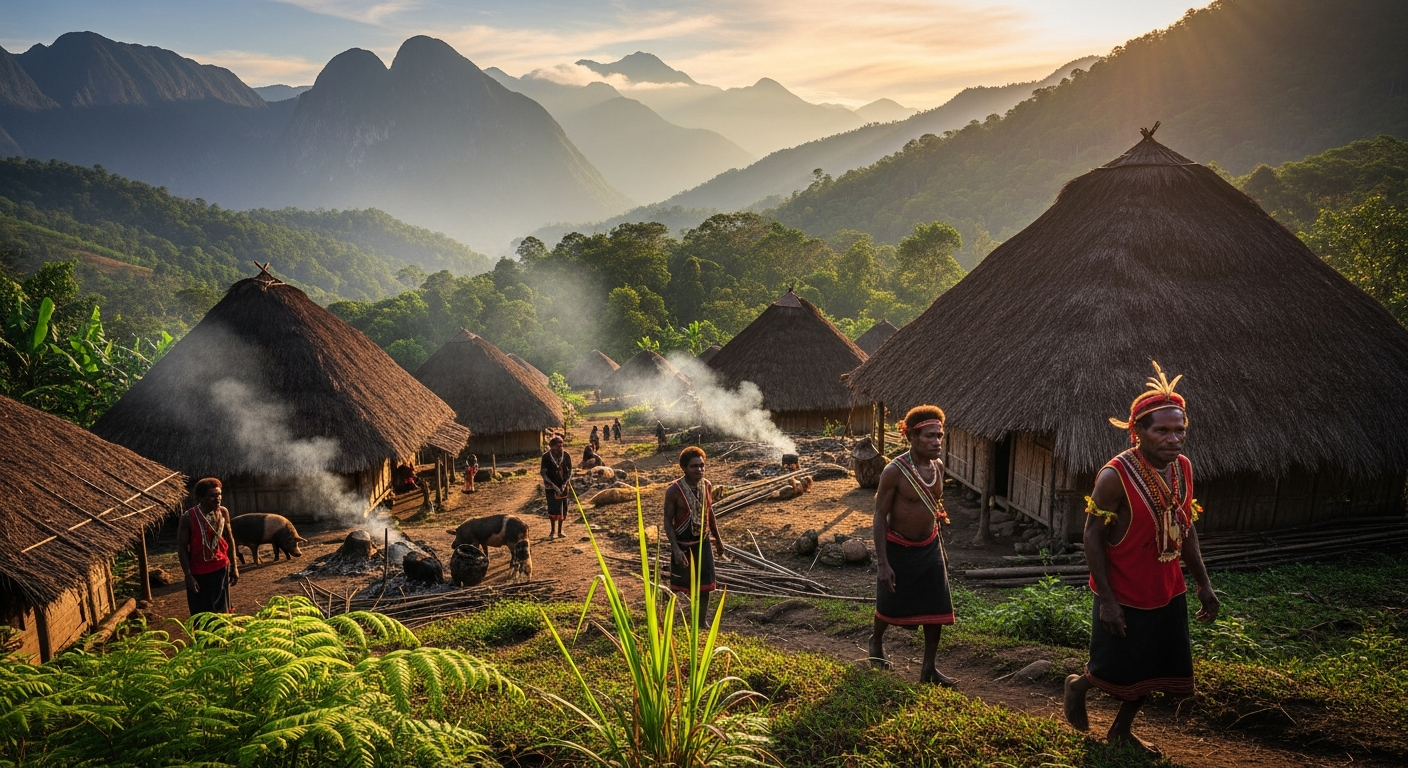
Lembah Baliem, situated in the central highlands of Highland Papua, is a stretch of natural expanse approximately 80 kilometers long and 20 kilometers wide. Its elevation of 1,600–1,700 meters offers a unique climate and landscape, making it a destination of interest for photographers worldwide. Wamena, the principal town within the valley, serves as the access point to this culturally rich region. With a population exceeding 200,000, the valley is predominantly inhabited by the Dani, Yali, and Lani tribes, each contributing to the region’s cultural mosaic.
For photographers, the valley promises an abundance of scenic vistas and cultural encounters. The interaction between the valley’s topography and cultural elements creates a visually arresting tableau. Photographers can expect to capture not just landscapes but also a lively notable of human activity that has remained constant over centuries. With its combination of dramatic valley views and living cultural traditions, Lembah Baliem offers a unique opportunity for those seeking to document the unvarnished reality of Papuan life. The valley’s altitude provides a temperate climate where the interplay of light and shadow across the rugged terrain makes for captivating compositions.
Optimal Photography Seasons and Access
Lembah Baliem is accessible year-round, but the period between March and August is considered optimal for photography. This timeframe coincides with the drier season, reducing the likelihood of rain disrupting planned shoots. The light conditions during these months are particularly favorable, offering softer, diffused sunlight ideal for capturing the intricate details of both landscapes and cultural activities.
Reaching Lembah Baliem involves a flight from Sentani Airport in Jayapura to Wamena Airport, typically taking about 1 hour and 15 minutes. The logistical simplicity of this journey allows photographers to focus on maximizing their time within the valley. While the valley can be explored independently, organized package tours are recommended, as they offer insightful guidance and access to places and events that may not be immediately apparent to newcomers. The valley’s remote location means flights can be limited, so booking well in advance is advisable, especially during the peak season when the Baliem Valley Cultural Festival takes place.
Key Photographic Landmarks
Among the prominent landmarks within Lembah Baliem is the mummy of Dani warlord Wim Matok Mabel, located in Jiwika. This 300-year-old artifact offers a glimpse into the valley’s storied past, preserved through traditional smoke-curing methods. Photographers can capture not only the mummy itself but also the rituals and significance surrounding it, providing context and depth to their work.
Lake Habema, the highest lake in Indonesia at an elevation of 3,300 meters above sea level, presents another compelling subject. Its serene waters and surrounding mountain vistas offer remarkable compositions, particularly during early morning and late afternoon when light plays across the lake’s surface. Mbua Waterfall adds a dynamic element to any photographic collection from the area, with its cascading waters providing a natural focal point. The lake and waterfall are best reached by guided tours, which often include transportation and local insights, typically priced around USD 50 per person for a day trip.
The Baliem Valley Cultural Festival
The Baliem Valley Cultural Festival, held annually in mid-August, is a highlight for photographers seeking to capture the dynamic interplay of tribal cultures. The festival, which the Jayawijaya district government organizes in collaboration with tribal leaders, features an array of activities including simulated tribal wars, pig racing, and traditional spear throwing. These events are not merely performative but are deeply rooted in the valley’s traditions, offering photographers a rare opportunity to document authentic cultural expressions.
With the 2027 festival scheduled for August 7–9, photographers should plan to arrive early to acclimate to the environment and secure optimal shooting positions. Attendance in recent years has reached up to 10,000, indicating a lively interest in the festival but also necessitating early planning to ensure comprehensive coverage of the events. The festival’s 30th anniversary in 2026 promises an even more lively display of cultural pride, with special events and tributes planned throughout the three-day celebration.
Photography Tips for Capturing Papuan Culture
Capturing the essence of Papuan culture requires more than technical skill; it demands a respectful understanding of the context in which you’re working. Photographers are encouraged to engage with local guides who can provide insights into tribal customs and help in valley’s cultural landscape. Understanding the significance of the events and practices you are documenting will enrich your photographic narrative.
When photographing people and cultural events, always seek permission and explain your intentions. Many tribe members are open to being photographed but appreciate the courtesy of being asked. This approach not only builds rapport but also ensures that your images are a true reflection of mutual respect and cultural appreciation. Bringing along small gifts or prints of photographs can be a gesture of goodwill and an excellent way to share your art with the local community.
Accommodations and Logistics
Wamena offers a range of accommodations catering to different budgets, from basic lodgings to more comfortable guesthouses. While specific USD prices for 2027 are not listed, most visitors find the cost of staying in the valley to be reasonable. Accommodations often provide local meals, which are an essential part of the cultural experience.
Planning logistics should include arrangements for transportation within the valley, as some of the most photogenic locations are best accessed by guided tours. These tours often include visits to Dani Market and Wauma Village, adding depth to your photographic journey. Historical visitor numbers have varied, but recent trends suggest a growing interest in the valley, making early bookings advisable to secure necessary accommodations and tour spots. Transportation costs can vary, but expect to pay approximately USD 20–30 for local guides and transportation per day.
Cultural Sensitivity and Ethical Photography
Understanding and respecting the cultural dynamics in Lembah Baliem is crucial for any photographer visiting the valley. The local tribes, while welcoming, have distinct customs and traditions that should be respected. Photographers should familiarize themselves with the basic dos and don’ts when interacting with the local communities. This includes understanding dress codes, participating in local events only when invited, and maintaining a respectful distance when photographing sensitive ceremonies.
It’s also important to consider the impact of your presence and photography. While capturing authentic moments is ideal, it’s equally important to ensure that your activities do not disrupt daily life or cultural practices. Purchasing local crafts and products can help support the community economically, while also providing unique subjects to photograph. Prices for local crafts vary, but beautifully hand-crafted items can range from USD 10 to USD 100, depending on the intricacy and size.
FAQs
Q? When is the best time to photograph Lembah Baliem? A: The best time to photograph Lembah Baliem is between March and August. This period offers favorable weather conditions with reduced rainfall, ideal for capturing both cultural events and scenic landscapes in optimal light.
Q? How can I access Lembah Baliem? A: Access to Lembah Baliem is primarily via a flight from Sentani Airport in Jayapura to Wamena Airport, lasting around 1 hour and 15 minutes. Booking flights in advance is recommended due to limited availability and increasing interest in the region.
Q? What should I consider when photographing tribal events? A: When photographing tribal events, it’s crucial to approach with respect and cultural sensitivity. Engage with local guides for insights, seek permission when photographing individuals, and aim to understand the cultural context to enhance the authenticity of your work.
For wider arrangements, our partner baliluxurytransport can coordinate end to end.
Planning something bigger across Indonesia? For end-to-end service see baliairporttransfer.
Explore all lembahbaliem.com options and plan your trip.
See also: Lembah Baliem Family Trek 2027: Is It Safe for Kids? Age Requirements and Safety Tips, How to Book a Lembah Baliem Guided Tour from Holland in 2027: Visa and Flight Tips.